


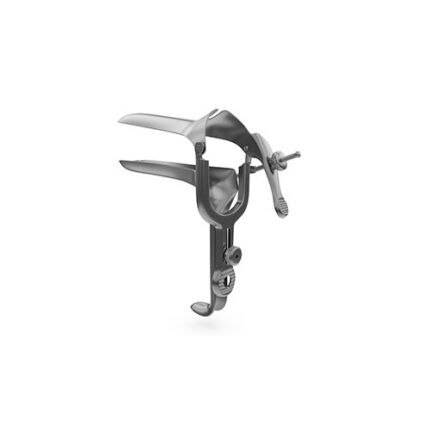

| Name | Lacrimal Cannula – Reinforced Shaft |
| Lead Time | Lead time advised within 48 hours of order placement. |
| Competitor | ;OP0903152;OP0903-152;360325;360-325;K73000;K7-3000;86830;86-830;E4404;601211;60-1211;E-4404;6012-11;360326;360-326;E4406;601212;60-1212;36-0326;6012-12;6012-11_6012-12; |
| Specialty | Ophthalmology-Cannulas |
| Material Finish | Stainless Steel |
| Grade | Premium Operating Room |
| Units of Measurement | Each |
| Manufacturer | JBS Industries |
| Sterility | Non-Sterile |
| Usage | Reusable |
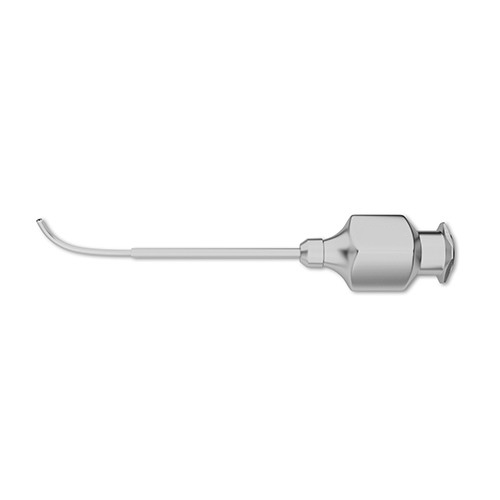
Lacrimal Cannula – Reinforced Shaft
1.2″ (3.1 cm) shaft w/ 2.0 cm reinforced, 23-gauge Lacrimal Cannula is an extremely useful tool in treating tear duct obstructions. The cannula may be used to investigate blockage of lacrimal gland damage or more frequently, obstruction of the nasolacrimal duct. The cannula features a reinforced shaft to prevent bending and kinking during the procedure.
Description
Reviews (0)
Shipping & Delivery
Related products
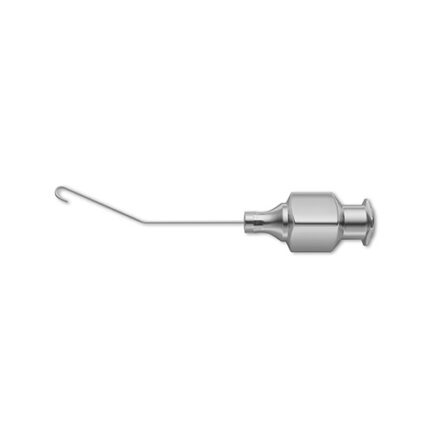
Gimbel Irrigating Cannula
SKU:
JBS-7946
30 gauge u-tip, overall length 28.0 mm (excluding hub)Gimbel Irrigating Cannula is a useful tool during cataract and IOL implantation procedures. The cannula may be used to perfuse fluid for easier manipulation of the IOL or easier access to debride nuclear fragments. The ultra-small gauge facilitates entrance into the lens capsule.

Lieppman Cystotome
SKU:
JBS-7945
w/ guard, 22-gauge, 2" (5.0 cm)Lieppman Cystotome is a commonly used tool during cataract phacoemulsification procedures. The cystotome may be used to create a circular incision in the anterior capsule before proceeding with aspiration of the lens. The tool features a guard to prevent extraneous damage to the surrounding iris or globe tissue.
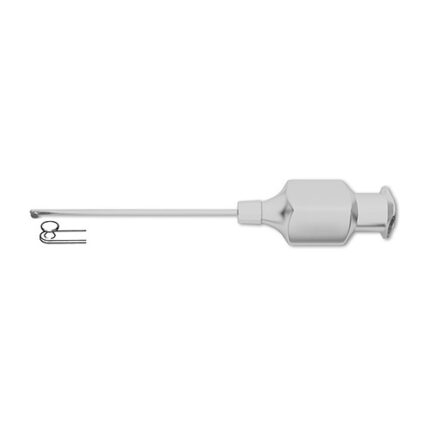
Graether Collar Button
SKU:
JBS-6771
iris retractor, posterior surface for capsule polishing, 23-gauge, 1" (2.5 cm) Graether Collar Button is a useful tool in a variety of anterior chamber procedures. The button is used to gently grip the iris tissue and pull to enlarge the pupil. Both straight and angled models are available depending on surgical preference.

Kratz Cystotome
SKU:
JBS-7312
30-gauge Kratz Cystotome is a commonly used tool during cataract phacoemulsification procedures. The cystotome may be used to create a circular incision in the anterior capsule before proceeding with aspiration of the lens. The sharp tip combined with 60 degree angled shaft allows for easy cutting and visualization.
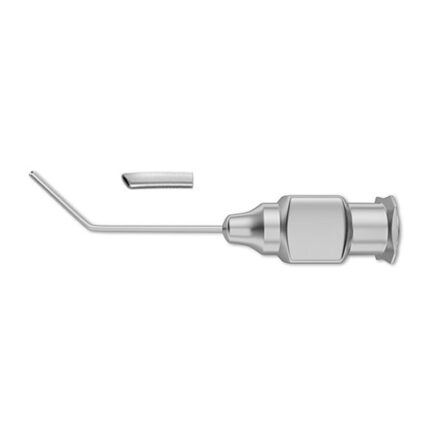
Nucleus Hydrodissection Cannula
SKU:
JBS-1234
25 gauge, 7.0 mm angled shaft w/ flattened tip, overall length 21.0 mm (excluding hub)Nucleus Hydrodissection Cannula is a useful tool in cataract extraction procedures. The cannula can be used to manipulate and rotate the lens during a hydrodissection for easier extraction. The small gauge with flattened tip assures minimal trauma to the surrounding tissue.

Kratz Capsule Scraper
SKU:
JBS-2287
shaft w/ sharp top, shaft angled 60 degrees, 12.0 mm tip from angle to tip, 22-gauge, 1/2" Kratz Capusle Scraper is a useful tool in phacoemulsification procedures. The sandblasted tip is designed to scrape the surface of the posterior capsule to remove and cellular debris following aspiration of the nucleus.

McIntyre Anterior Chamber Cannula
SKU:
JBS-9562
McIntyre Anterior Chamber Cannula is a frequently used tool in cataract IOL implantation procedures. Following nucleus fragmentation, the cannula may be used to aspirate any remaining debris from the anterior chamber. Both angled and straight tips are available in three different gauges depending on surgical preference.

Bracken Anterior Chamber Cannula
SKU:
JBS-6225
curved, 19-gauge, overall length excluding hub 13/16" (2.1 cm) Bracken Anterior Chamber Cannula is a frequently used tool in cataract extraction procedures. The small gauge cannula is nimble enough to fit into a small limbal incision accessing the anterior chamber. It may be used to aspirate fluid within the anterior chamber exposing the lens capsule. The curved nature of the shaft assures minimal surgical obstruction.

Reviews
There are no reviews yet.